french property diagnostics in practice
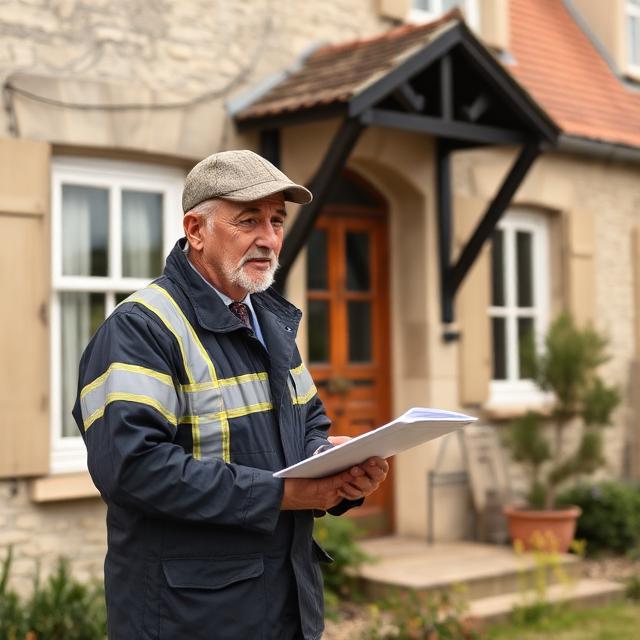
When you've found a charming French fixer-upper and request the mandatory reports (known as "diagnostics" in French) from the agent, it's often overwhelming to know where to begin. Written in technical French with stacks of pages, countless stories circulate about their significance—but take them with a grain of salt. These reports primarily protect the seller and notary more than they guide you. Here's a straightforward explanation of what they cover, whether they're truly relevant, and their practical implications in real life.
Lead Paint: Just Paint Over It or Remove It Yourself
The lead paint report focuses entirely on the paint itself. In an older French home, paint from before 1949 often contains lead, making the report mandatory for such properties. You'll typically find it on old doors, window frames, shutters, and similar areas. The condition is graded across three classes, with class 3 being the worst (peeling and flaking). The common concern is that lead can poison children—but they'd have to literally eat the paint off the walls or doors first, and even then, the quantity required would be substantial beyond what any child could consume.
If class 3 lead paint is identified, certain rules technically apply: it must be replaced, while classes 1 or 2 can simply be painted over. For class 3, you're supposed to inform any tenants or contractors working on the property. In reality, though, no one ever comes around to check. Feel free to scrape it off and repaint yourself—it's no issue at all.
Interestingly, lead pipes—which could pose an even bigger risk than the paint—aren't included in the report. These are often located before the water meter and belong to the local French commune (essentially the state). As someone once quipped to me: "The French government doesn't get inspected because it's infallible."
Electrical Systems: Problems Are Obvious and Rarely Up to Code
Electrical inspections follow safety standards that change frequently—often annually—so something is almost always flagged. Even a single loose lightbulb qualifies as an "anomaly," regardless of how solid the rest of the system is. Unlike lead paint, you can easily assess the electrical state yourself: does it look modern, or are there outdated light switches, outlets, or cloth-insulated wiring? This gives you a clear picture of its overall condition.
For true peace of mind and a cost estimate, have an electrician walk through the property—they often spot more than the official report. There's no legal requirement to upgrade the electrics, and no follow-up inspections occur. If you have a meter (even an old one), the utility company will replace it, and you can connect your power yourself. Only without a meter do you need a special inspection before hookup.
Once you have a meter in place—no matter its age—no authority will visit post-purchase to verify compliance. If the power works, you're free to do as you please. That said, be cautious: insurers might complicate fire claims if the system doesn't meet French standards.
Asbestos: Remove It or Leave It Be
The asbestos report is refreshingly straightforward: it simply states whether asbestos was found and, if so, where. This typically involves old chimney pipes, roof panels, or wall boards. If present, you can remove it yourself and drop it at the local landfill (just check their hours first). There's no obligation to remove it, and no one will inspect to enforce it. You decide whether to act or leave it alone.
Energy Performance Certificate (DPE): Much Ado About Nothing
The Diagnostic de Performance Énergétique (DPE) rates a home's energy efficiency from A to G, much like household appliances.
For older French houses needing renovation, the DPE is often more theoretical than practical. If you're committed to an authentic restoration—without plastering insulation boards everywhere and stripping the home's character—you simply won't achieve top ratings like A or B. That doesn't mean you can't keep it comfortably warm. A quality wood-burning stove combined with double glazing makes an old French house perfectly cozy. Once those thick stone walls are heated through, they retain warmth beautifully.
Homes without official central heating either skip the DPE or qualify for a seller exemption (though it must be noted in the documents). This benefits the seller, as F or G ratings trigger an expensive "energy audit" full of insulation illustrations and recommendations. It's pricey to produce and adds little value for old properties. DPE reports disregard the unique authenticity of French buildings, assuming you'll transform an historic home into a soulless modern box. You've probably seen it: exteriors wrapped in polystyrene foam to mimic new builds. I see no beauty in that. Many overlook that such insulation uses materials like polystyrene and glass wool—which, in my view, will be tomorrow's asbestos. Hardly eco-friendly.
Wood Heating and the DPE
Wood burning—the most efficient and often cheapest option in France—is completely ignored by the DPE. It only considers gas, electricity, or heat pumps, with sky-high installation costs compared to an effective wood stove. Pellet stoves are viable but essentially a hybrid compromise; pellets rarely come from nearby forests, which are clear-cut en masse, with long supply chains. A traditional wood stove lets you use your own or local firewood—far more sustainable.
Despite their efficiency and environmental benefits, DPE reports discourage wood stoves. The challenge lies in quantifying consumption (they estimate heating costs, which is tricky for wood) and lingering perceptions of wood burning as polluting. Yet on the French countryside, it's still widely used—and rightly so—as the smartest, most affordable choice. Pair a wood stove with double glazing and basic insulation between ceilings, on the top floor, or under the roof, and you're set for comfortable warmth. The DPE says nothing about this, fixating instead on modern tech like heat pumps that drive up costs and grid dependency. During a heavy snowstorm with a downed overhead power line, your heat pump becomes useless.
The DPE feels like a colorful "feel-good recommendation report" tailored to what the French (and European) government wants to promote—full of dubious statistics that rarely align with reality. It's all icons, arrows, and cheerful graphics that completely miss the mark for older homes.
Blanket "over-insulating" an authentic old French house is excessive. Most buyers already know the basics. Notably, designated monuments are exempt, suggesting even the government recognizes how impractical DPE advice can be for historic properties. Yet most rural French homes lack protected status, so the DPE applies.
The report carries weight mainly due to surrounding regulations rather than inherent value. Banks may hesitate on loans for F or G ratings. Sometimes it's smarter to avoid one altogether—have the seller remove existing heating (like an old oil boiler, electric radiators, and chimney pipes) to dodge the requirement. Reinstall everything after closing without issue. Or note the house is occupied less than four months yearly (like a vacation home) for another exemption. Personally, I'd abolish the DPE entirely for homes over 75 years old.
Mushrooms: Harmful but Manageable Yourself
Certain French departments require reports on mushrooms or molds, which can devastate wood—especially in damp areas. Even where optional, inspectors might test if they spot any during a sale, as sellers could face liability for nondisclosure.
Officially, discoveries must be reported to the local commune and neighbors, since some fungi spread through walls. In practice, remove the growth, burn affected wood, replace it, ventilate thoroughly, and monitor for recurrence.
Abandoned older homes are prone to this due to poor airflow during long vacancies. Simply airing out with windows open (shutters closed) resolves most moisture issues quickly.
Sewage: Stay Put and Don't Stir the Pot
The sewage report indicates whether the property connects to mains drainage or has a septic tank. It's officially required only without public sewers, but rural notaries demand it regardless.
Not connected? Hookup to municipal sewage is mandatory. If mains exist alongside a septic, the tank must go.
Many rural French homes drain untreated into local streams via communal systems lacking purification plants or eco-friendly "lagunage." No official sewage means a septic tank within a year—potentially expensive. But if the village plans a treatment plant, your new tank gets ripped out post-construction. Classic catch-22.
If your toilet drains to a working system (often rainwater-only), leave it alone and wait. Enforcement is minimal. I know of sales over a decade ago without official sewage that still function today—no fines or inspections, despite unchanged laws.
Shared untreated systems see little oversight; some owners just pay annual fines. Best bet: ask the commune about plans.
For untreated drains, use natural soaps, vinegar for cleaning, skip chemicals—better for the environment anyway. Or install a composting toilet.
Radon: Just Open the Windows
Radon is a natural radioactive gas found in areas like Auvergne, Limousin, and the Massif Central. If your home's there, no need to panic—people have lived with it for years.
Over-insulation might trap it, so simply open windows daily as advised. It's no reason to abandon your French dream home.
Termites: No Obligations
Required in southwestern regions like Dordogne, Gironde (Bordeaux area), Landes, and the Pyrenees (see linked map). Termites eat wood; the report informs only—no extermination required.
Other Reports
These cover the main French diagnostics for buying older homes. Gas inspections are rare in such properties.
Sales also include environmental risks (factories, pipelines), subsidence (for extensions), floods, and earthquakes—all easily researched online (notaries use sites like georisques.gouv.fr). No special inspections needed.
Final Thoughts: Take These Reports with a Grain of Salt
Don't be alarmed by these reports—they're meant to inform buyers. Rarely binding, they often serve as scare tactics hoping you'll fix issues at your expense, shielding the French (and European) government from its own rules.
In practice, enforcement is lax—especially rural—and many requirements are unenforceable. Diagnostics mainly protect sellers and notaries from later claims over undisclosed issues.
Know exactly what you're buying, inspect thoroughly during viewings, and take responsibility (the reports can help here). Post-purchase claims mean costly French courts.
Embrace the realities of an older French home. Renovation is part of the adventure. Do plenty yourself and create something beautiful!
No need to pore over every report. Focus on key conclusions: asbestos present? Sewage connected? Heating method? The rest matters little.